We travelled to Emmen for one reason: to see the naked mole-rat (heterocephalus glaber). This peculiar little mammal, with its translucent pink skin, looks rather like a Thai spring roll wrapped in rice paper. In the wild, it spends its entire life underground in the arid regions of Africa. In the Netherlands, it lives at Wildlands Adventure Zoo.
It was one of the first genuinely hot days of the summer, although August was already halfway through. Half the Dutch population seemed to have descended on Emmen’s recently relocated zoo. Beyond the sleek entrance building lay Compass Square, where ordinary visitors were invited to become intrepid explorers.
Three expeditions awaited: Serenga, an African safari; Jungola, a tropical rainforest with a distinctly Thai flavour; and Nortica, an Arctic research station.
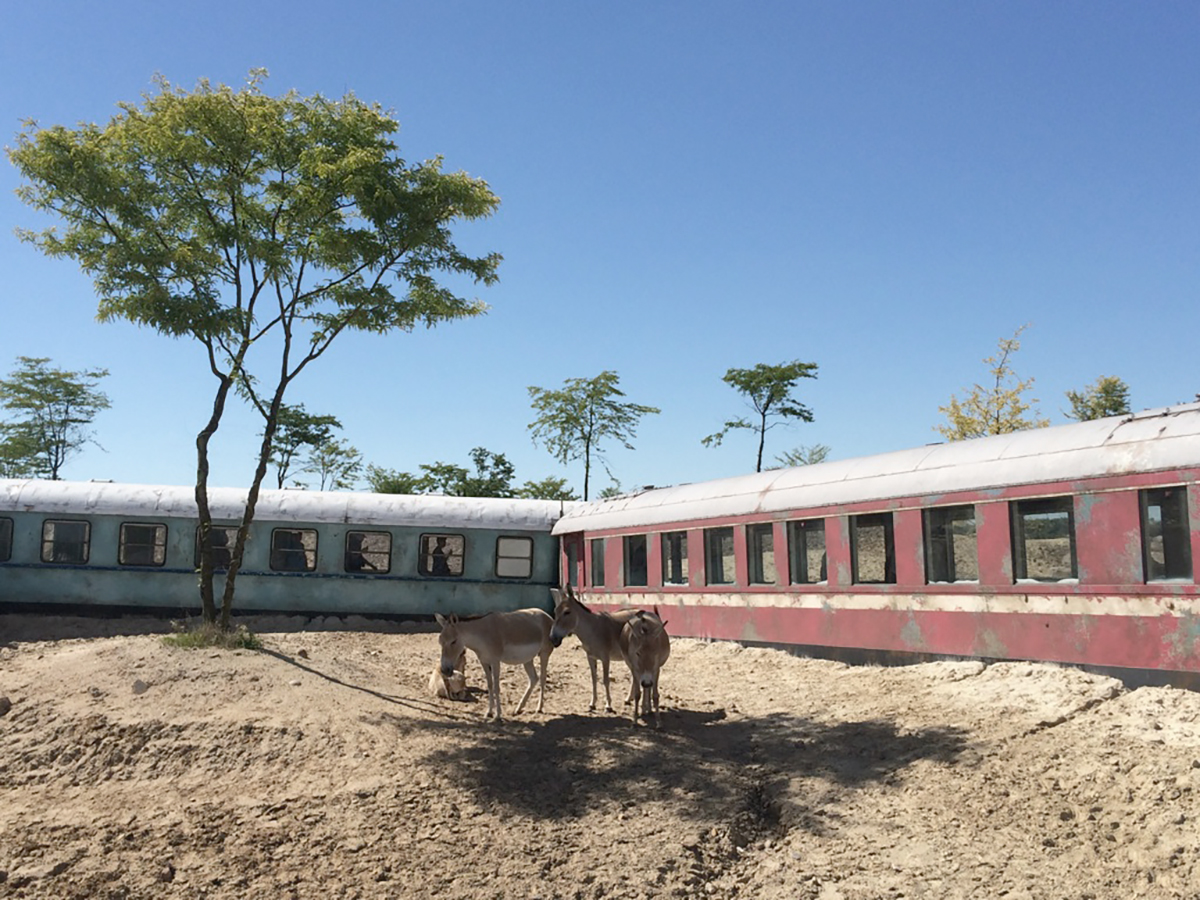
We followed the crowds into Serenga, passing mud huts, wandering goats and donkeys, and a Wild West gold mine where feverish children searched for imaginary treasure. Lions and hippos lay motionless in the heat. Artificial rocks concealed loudspeakers playing atmospheric music, while safari trucks rumbled across the savannah, occasionally forcing an irritated giraffe to step aside.
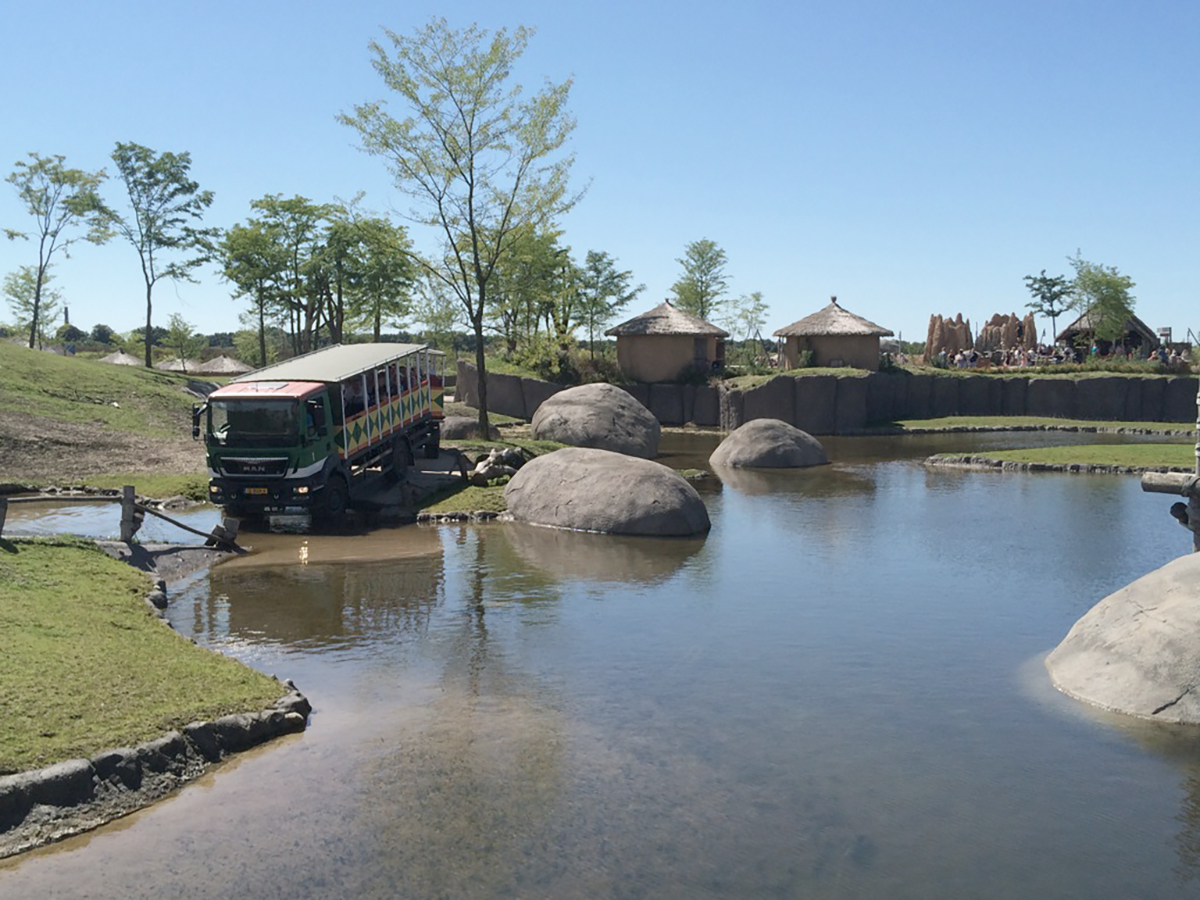
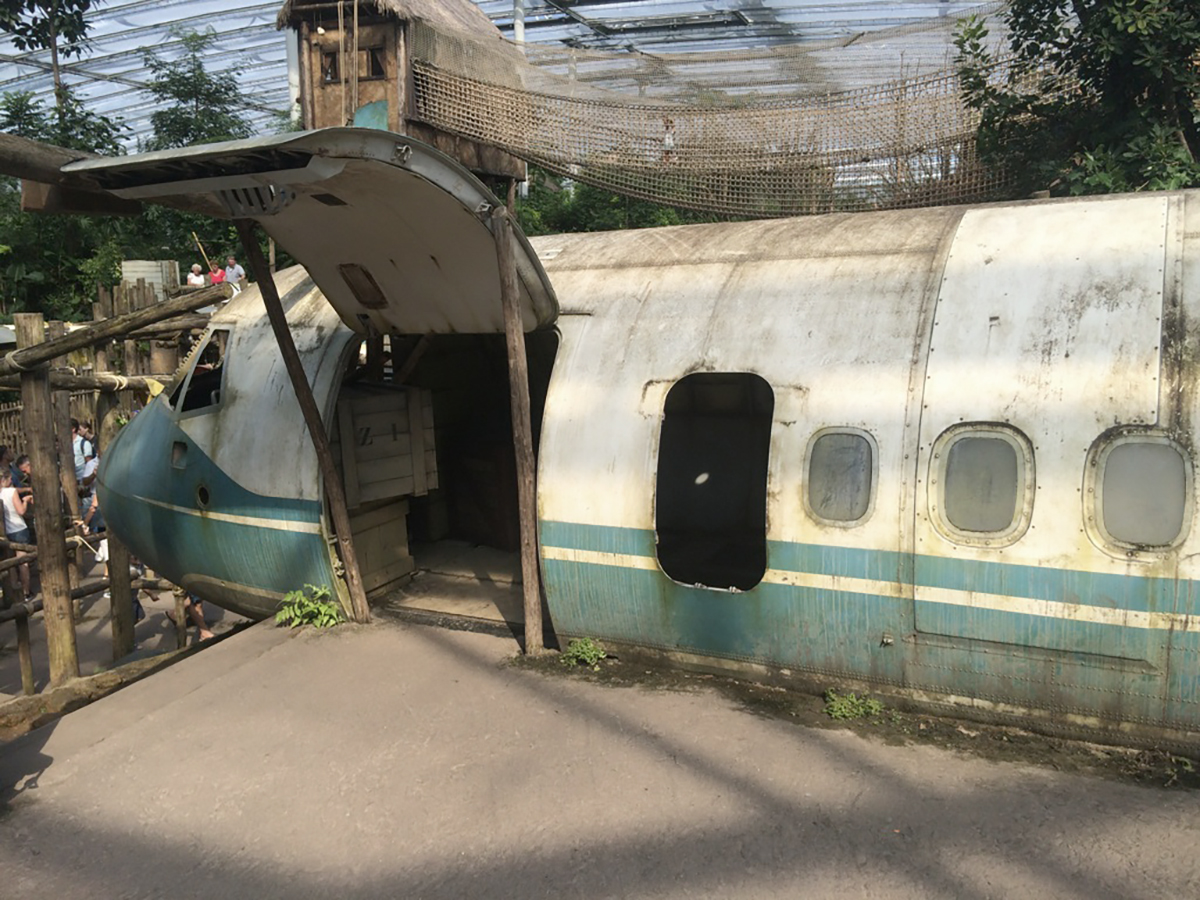
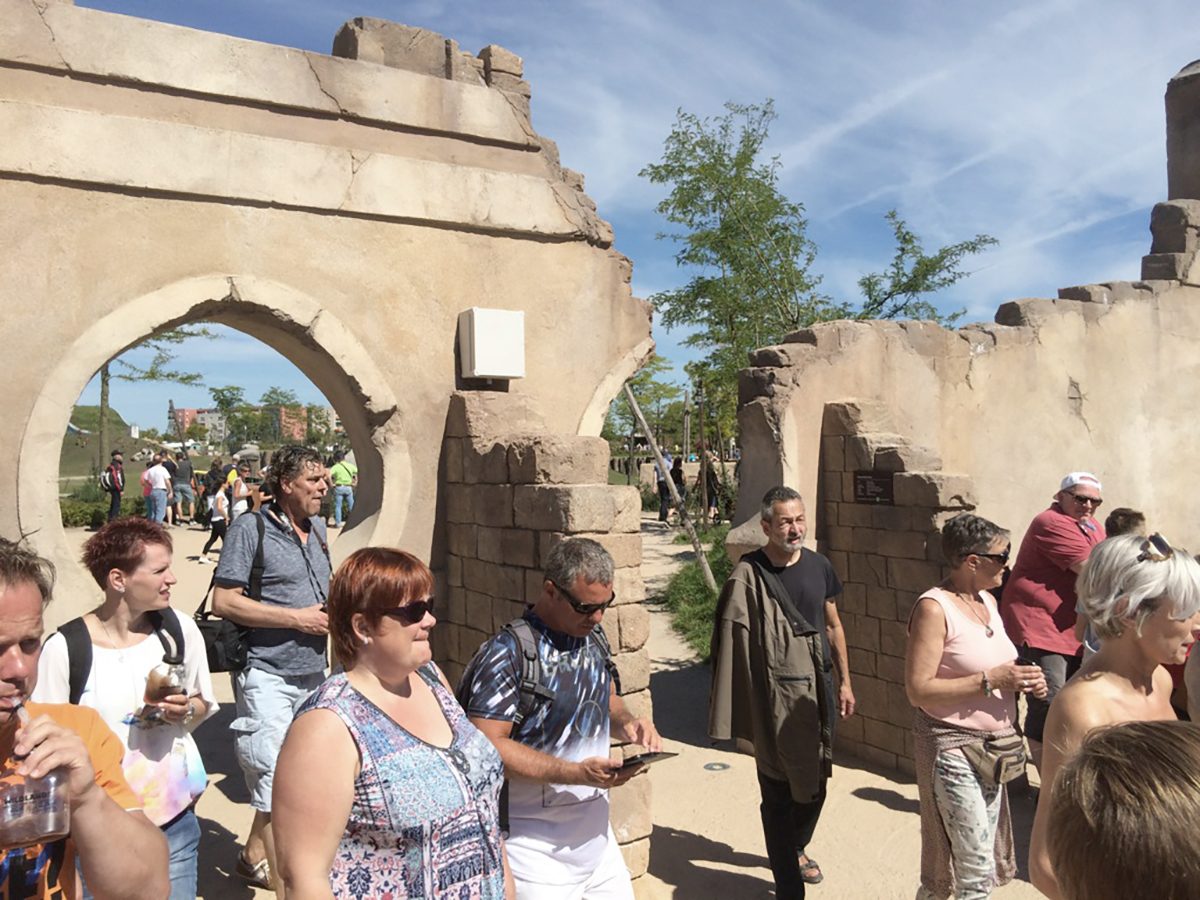
Everything was designed to create the illusion of adventure. Around every corner, another carefully staged surprise awaited: a derailed train, the ruins of an abandoned city, or a troop of baboons.
But where was the naked mole-rat?
The map directed us to Animazia, a vast indoor playground. Inside, rope bridges, climbing frames and a half-sunken pirate ship filled the cavernous hall. The shrieking of children was deafening.
Tucked away in a dark corner, near the toilets, we finally found our animal.
Behind a glass window, a network of transparent plastic tubes connected several round containers resembling oversized biscuit tins. Inside this claustrophobic labyrinth, dozens of naked mole-rats scrambled over one another. Their tiny pink bodies struggled up the slippery tubes, only to slide backwards at the slightest incline. In one container, a heap of animals lay piled together.
It was a pitiful sight.
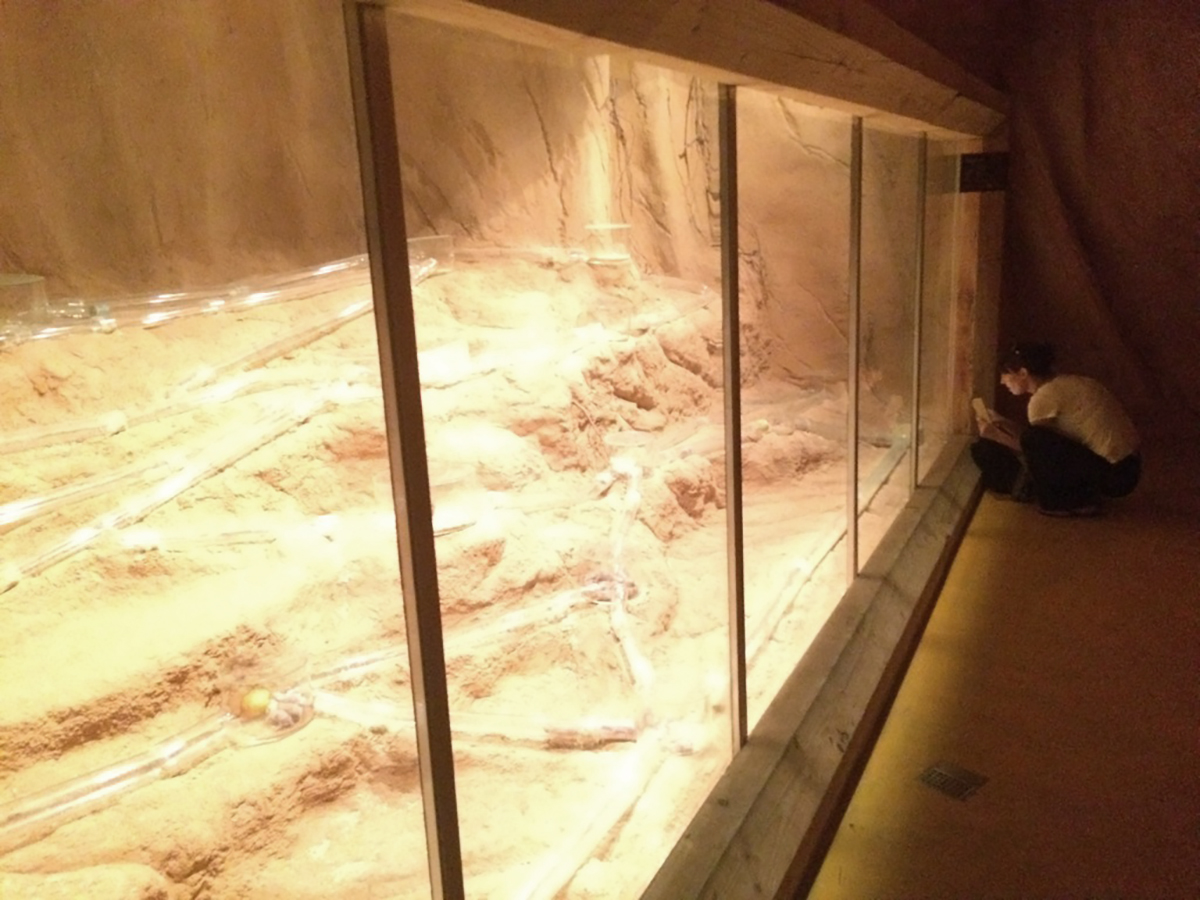
While the zoo’s other inhabitants had been given elaborate enclosures designed to resemble their natural habitats, the naked mole-rat had apparently presented a problem. Neither majestic nor cuddly, it hardly fitted the marketing ambitions of an adventure zoo. So here it was, hidden away in a children’s playground, condemned to spend its potentially thirty-year life in something resembling a drainage system.
We emerged into the bright sunlight feeling thoroughly depressed.
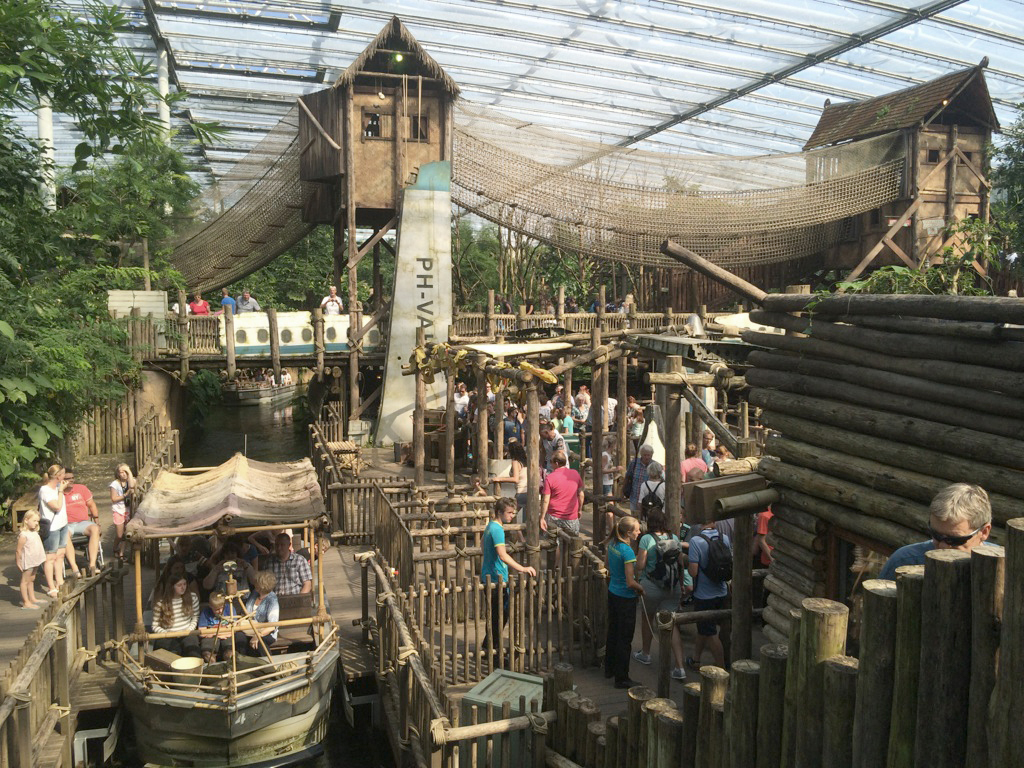
Still shaken, we drifted through Jungola, watching visitors float along an artificial river in battered expedition boats. Spider monkeys swung overhead. At Nortica, the polar bears were nowhere to be seen, while sea lions prepared for their theatrical performance. Satellite dishes and radar domes decorated the roof of a mock polar research station beneath the blazing August sun.
But our expedition had already ended.
For us, the illusion collapsed the moment we saw the naked mole-rat desperately scrambling through its plastic prison. Somewhere beneath that translucent skin was an animal built to dig, searching in vain for earth, clay or sand in which to bury its tiny claws.
There, in a forgotten corner of the indoor playground, the elaborate scenery of the adventure zoo finally fell apart.